

Investing in Art: Where Passion, Intuition and Strategy Meet
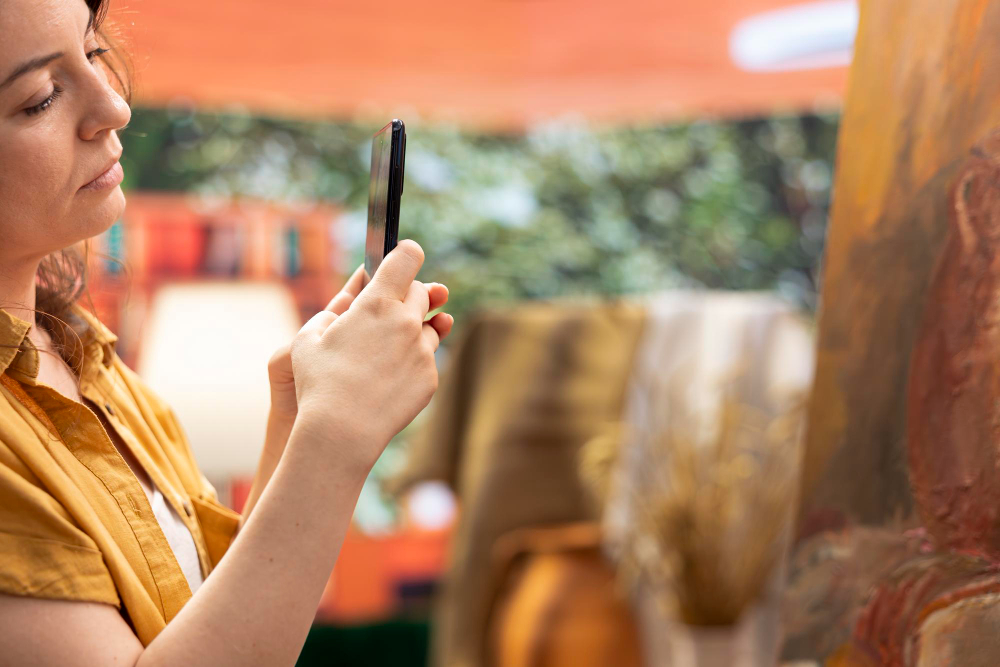
The global art market generated $57.5 billion in transactions in 2024, according to the Art Basel and UBS report published in 2025. While the figure is slightly down from 2023, it reflects a sector that remains dynamic, driven by the arrival of new buyers.
Investing in art is no longer reserved for the ultra-wealthy. First-time collectors, art enthusiasts and investors seeking portfolio diversification: the market is now open to a wide range of profiles. The key is understanding how it works, what makes it attractive and where the pitfalls lie, so that a purchase driven by passion can also be a sound financial decision.
Why invest in art in 2026?
The appeal of art as an investment rests on several solid fundamentals. Contrary to popular belief, investing in art is not purely an emotional pursuit. It is also a legitimate wealth management tool, with distinctive financial characteristics.
An asset uncorrelated with financial markets
The price of an artwork does not fluctuate in step with stock market indices or the property market. This lack of correlation is a major advantage in times of crisis. During the 2008–2009 recession, and again during the 2020 pandemic, the art market did experience downturns, but its recovery was swift and often outpaced other asset classes.
Diversification and wealth protection
Every seasoned investor knows the golden rule of diversification. Art fits naturally into this approach as a tangible asset, alongside gold, fine wine or collectible watches. It allows risk to be spread across assets that do not respond to the same economic drivers.
Artworks also benefit, in many jurisdictions, from favorable tax treatment, particularly regarding wealth tax. A significant advantage for high-net-worth individuals.
How to invest in art in practice?
Several routes into the art market coexist today, each with its own advantages and constraints. The right choice depends on available budget, market knowledge and desired level of involvement.
Buying artworks directly
This is the most traditional approach. Galleries, international fairs, auction sales at Christie’s or Sotheby’s, or purchasing directly from artists in their studios. In 2024, 43% of high-net-worth collectors surveyed by Art Basel/UBS reported buying directly from artists or studios.
This method offers full control over the choice of artwork, but it demands strong art market literacy. You need to assess an artist’s standing, verify the authenticity and provenance of a work, and anticipate its potential for appreciation.
Fractional investment: a revolution in progress
The fractional investment model (or co-investment) provides access to major works from €20,000, by pooling the purchase among several investors. Specialised platforms such as Matis offer club deals on Blue Chip artists (Warhol, Soulages, Basquiat).
According to the 2023 Hiscox Online Art Trade Report, 61% of art buyers expressed interest in fractional art ownership. This model lowers the barrier to entry and provides access to professional expertise for artwork selection.
Art investment funds
Less common, dedicated art investment funds operate like traditional funds. Experts acquire high-potential works, hold them, then resell over the medium to long term. The minimum investment is generally high (often from €100,000) and liquidity remains limited.
👉 Did you know? In 2024, works sold for under $5,000 grew by 7% in value and 13% in volume at auction, while the segment above $10 million fell by 45% in value (source: Art Basel/UBS Art Market Report 2025). The market is becoming more accessible.
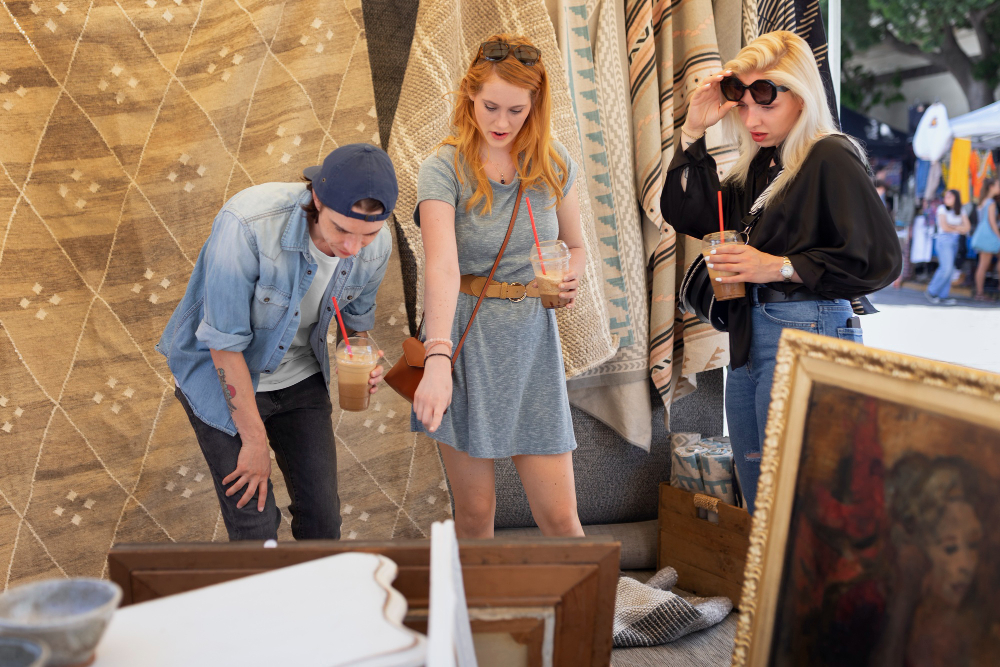
Essential criteria for choosing the right artwork
Buying an artwork with wealth-building in mind cannot be improvised. Several objective criteria help to limit risk and support appreciation potential.
The artist’s market standing is the primary indicator. An artist featured in museum collections, exhibited at recognised institutions and regularly sold at auction offers greater clarity on price trends.
Authenticity and provenance are non-negotiable. Every work must be accompanied by a certificate of authenticity and a documented ownership history.
Rarity and period of creation also play a decisive role. A work from an iconic period in an artist’s career, or produced in a limited edition, will always be more sought after than a late or prolific output.
Finally, the liquidity of the artist’s market deserves attention. An artist like Warhol, with around 70,000 catalogued works, offers a deep market with frequent transactions. Conversely, a lesser-known artist may yield strong gains, but resale will be more uncertain.
Art taxation: a framework often favorable to collectors
In many countries, artworks benefit from a tax treatment that is distinct from that of traditional financial or real estate assets. Several jurisdictions provide specific advantages to encourage the acquisition and holding of artworks.
Generally low taxation during ownership
Unlike real estate or securities, owning an artwork typically does not generate any annual taxation. In some countries, artworks are also excluded from the wealth tax base, making them particularly attractive for high-net-worth individuals.
A regulated resale process, but one that varies by jurisdiction
At the time of sale, tax rules vary considerably from one country to another, and even within the same country, they change regularly. Depending on the case, the seller may be subject to a flat-rate tax on the sale price or to a capital gains regime with progressive allowances based on the length of ownership. Some legislations even provide for full tax exemption beyond a certain number of years.
Exemption thresholds, applicable rates, and import conditions are subject to frequent revisions. It is therefore essential to consult a specialized tax advisor before any transaction, in order to understand the rules in effect at the time of purchase or resale.
Risks to be aware of before investing in art
Like any investment, putting money into art carries specific risks that should be factored into any decision.
Lack of liquidity remains the main drawback. Selling a work takes time, sometimes several months or even years. The market depends on demand at the time of sale, the artist’s standing at that precise moment and the quality of the sales process.
Price volatility is another pitfall. An artist’s popularity can fluctuate significantly, sometimes independently of the intrinsic quality of their work. Trends, shifting collector tastes and speculative activity all influence prices.
Hidden costs also weigh on net returns. Insurance, storage in appropriate conditions (temperature, humidity, light), gallery commissions or auctioneer fees: these expenses reduce the real margin.
Protecting your investment: art transport, a critical link
Acquiring a work of art is one thing. Receiving it in perfect condition is another. Art Transport is one of the most critical moments in an artwork’s life, whether after a purchase at an international fair, an auction acquisition or a move between storage locations.
Transport-related damage (impact, humidity, temperature fluctuations, improper handling) can destroy a piece’s value in an instant. For an investor, neglecting this step means taking an unnecessary risk on an already illiquid asset.
Moviiu, our fully digital art transport platform, addresses this challenge head-on. We offer instant quotes in just a few clicks, packaging designed to the highest industry standards, door-to-door shipping, flexible transport insurance, and real-time tracking of every shipment.
Whether you are a private collector, gallery owner or art dealer, Moviiu simplifies logistics and secures every shipment.
➡ Get your free quote in 1 minute
FAQ – Investing in Art
What is the minimum budget to invest in art?
You can start from just a few hundred euros by purchasing works from emerging artists at galleries or online.
Is art a profitable investment?
Average returns on the art market range between 4% and 9% per year depending on the segment. Blue Chip artists deliver the most consistent performance. However, actual profitability depends on the quality of selection and associated costs (insurance, storage, transport).
How can you avoid counterfeits?
Always buy from reliable sources (reputable galleries, established auction houses). Insist on a certificate of authenticity and a detailed provenance history. If in doubt, have the work appraised by an accredited specialist.
Should you insure your artworks?
Yes, it is essential. Insurance covers the risks of theft, fire and damage related to transport or storage.
What is the ideal holding period for an artwork?
Investing in art is a long-term commitment. Allow a minimum of 5 to 10 years to expect a significant capital gain.